Sponsored by MKS NewportReviewed by Olivia FrostJul 13 2026
The micro-LED (light-emitting diode) represents the latest evolution in LED technology. While a standard LED measures roughly 250 microns, a mini-LED is only about 100 microns. The term micro-LED (also called μ-LED) is usually reserved for LEDs with dimensions under 50 x 50 μm or a maximum diameter of 55 μm for circular ones.
Image Credit: ED Reardon/Shutterstock.com
The first experimental micro-LEDs emerged in 2000 (Figure 1). Researchers quickly started to use them in a network to create extremely high-resolution color screens with pitches below 50 μm (Figure 2). By the early 2000s, the first screens were designed on passive-matrix devices.
This limited the image quality in terms of resolution and brightness, as each pixel must maintain its state passively while other pixels are being managed, without being driven by circuitry (transistors and capacitors). The first active-matrix screens with pixel state maintained by circuitry, each sub-pixel consisting of three micro-RGB LEDs, appeared after 2008.
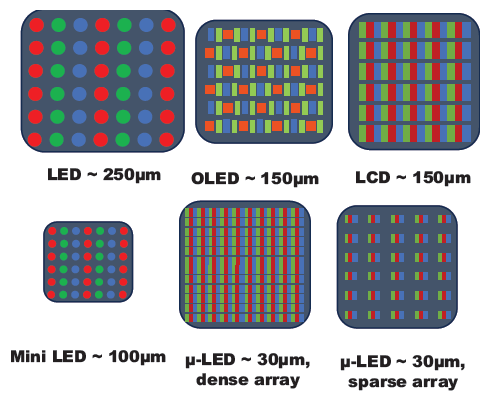
Figure 1. Advanced Display Technology. Image Credit: MKS Newport
The most significant change in current display technologies is that LEDs require processing temperatures above 1000 °C. As a result, they can not be “grown” and patterned directly on top of the transistor matrix.
Although the process to obtain micro-LEDs is similar to that for LEDs, it requires more precision and may need additional mask levels and different process steps owing to exceptionally small component sizes.
Typically, a six-inch sapphire epitaxial wafer is used and undergoes operations of lithography, etching (GaN etchers), passivation, and metallization. In contrast to other proven technologies produced in large quantities, such as LCD or OLED panels, each micro-LED is an independent part that must be placed with great precision and then connected to the transistor matrix.
In addition to enhanced resolution and brightness, the advantages include lower power consumption and significantly extended lifetime. This approach carries substantial inherent challenges. Several million micro-LEDs (more than 25 million for a 4K television) must be handled and accurately assembled within an acceptable time frame. Defective micro-LEDs must also be identified and replaced.
It is necessary, therefore, to develop a production method that enables the simultaneous handling and assembly of multiple components. Most of these industrial methods and procedures for large-scale implementation and assembly of micro-LEDs were still under development in 2023.
The process of transferring and placing micro-LEDs on the matrix is a critical stage in manufacturing micro-LED displays. For the reasons mentioned above, this phase is the most technical and complicated in the production process. Currently, three different technical strategies address micro-LED handling and assembly.
1. Massively Parallel Pick and Place: Mechanical Stamp (Figure 3)
A transfer stamp shuttles between a donor wafer and a receiver wafer that transports thousands of micro-LEDs concurrently and with high precision for placement on the TFT matrix substrate.
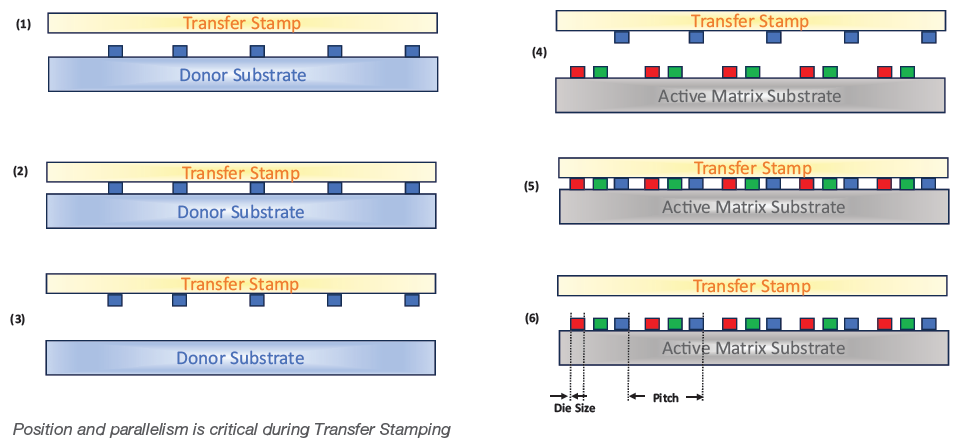
Figure 3. micro-LED Transfer Shuttle (stamp). Image Credit: MKS Newport
2. Sequential/Semi-Continuous
A large quantity of micro-LED chips is placed in a cartridge and “printed” sequentially with precision and high speed, individually or in small groups. An evolution of this strategy is a direct transfer from the epitaxial wafer on which micro-LEDs have been grown to a laser-transparent glass carrier known as the “donor substrate”.
Next, the micro-LEDs are released from the donor substrate by a laser lift-off (LLO) procedure and moved to the display panel. Combined with laser technology, this alternative provides high positioning precision and greater yields, making it the preferred process today.
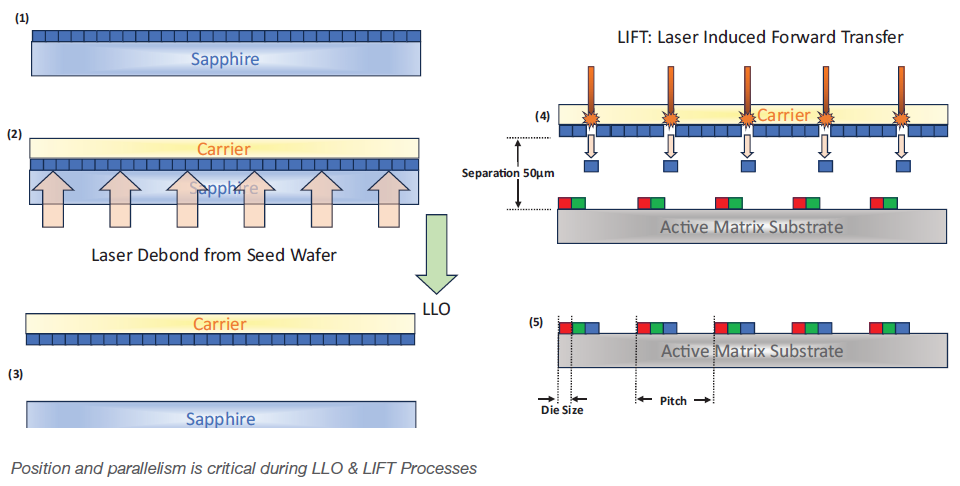
Figure 4. Illustration of LLO & LIFT principles. Image Credit: MKS Newport

This information has been sourced, reviewed, and adapted from materials provided by MKS Newport.
For more information on this source, please visit MKS Newport.