When buying a resistance-heated batch furnace, several factors should be considered before making a final decision.
Resistance-heated furnaces are electrical furnaces that use heat generated by electrical resistance. These furnaces are widely employed in heat treatment, where materials must be heated before being melted, dried, or pressure-shaped.
This article will discuss critical considerations when selecting a resistance-heated batch furnace for glass-melting applications.
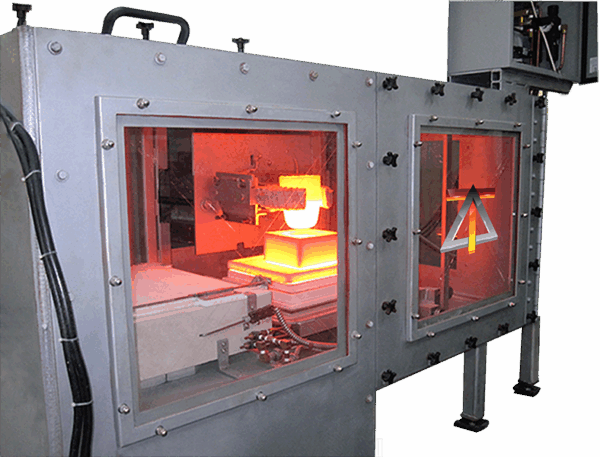
Image Credit: Deltech, Inc
What to Consider When Choosing a Resistance-Heated Batch Furnace
There are several factors to consider when purchasing a batch furnace, including the ability to handle temperature control efficiently and maintain a safe furnace atmosphere. The following section will look at these points and explain why they are significant.
Corrosion Resistance
Furnaces are typically loaded with highly corrosive fumes, particularly in glass melt furnaces; it is critical that they can tolerate these fumes. Look for corrosion-resistant materials such as high alumina ceramic for temperatures up to 1700 °C and cast zirconia for temperatures between 1800 °C and 2000 °C.
Control System
Furnaces can be configured with a variety of control systems, which should be examined before making a purchase. Users should ensure that the control system deployed is smart enough to fulfill their needs. These control systems aid in managing temperatures, heat delivery, air mixing, and other critical variables.
Facilitates Access During High Temperatures
Some operations require human interaction throughout the heat treatment process, such as when glass is being heated and fined. This would require churning the glass or injecting gas into the molten glass. In addition, the glass may have to be poured into the furnace.
These operations will be made feasible by the furnace's top entrance, which is both heat-resistant and prevents corrosive gases from exiting the furnace chimney. The furnace must also be built to allow for easy and safe loading and unloading of materials.
Protective Lining
Some glasses contain hazardous materials, so it is important to consider the furnace's protective layer. Some of these materials refer to glasses containing high levels of chlorine (Cl), fluorine (Fl), or salt, which can corrode molydisilicide heating components.
Furnaces require protective lining to separate the elements from the furnace's hot zone, protecting both the product and the furnace itself.
Safe Access
If a furnace is used for a process that involves human intervention at some point, safe access should be considered when selecting the model. The furnace must be designed to provide a safe means of accessing the glass throughout manufacturing. A pneumatic door, for example, provides quick access to the crucibles and heating chamber.
Supplier Experience
This nearly goes without saying, but users should acquire a batch furnace from a supplier with established experience and positive feedback in the field.
If a custom build or a glass batch furnace with special requirements is needed, look for a supplier who can meet them rather than purchasing an off-the-shelf furnace suitable for a variety of common applications.

This information has been sourced, reviewed, and adapted from materials provided by Deltech, Inc.
For more information on this source, please visit Deltech, Inc.