*Important notice: This news reports on an unedited version of the paper which has been accepted and is awaiting final editing. Therefore, the study should not be regarded as conclusive or treated as established information.
Two-photon imaging tracked mitophagy in awake mouse neurons and astrocytes, revealing an age-related decline and showing that nicotinamide riboside can restore mitochondrial quality-control dynamics in aging mouse brains in vivo.
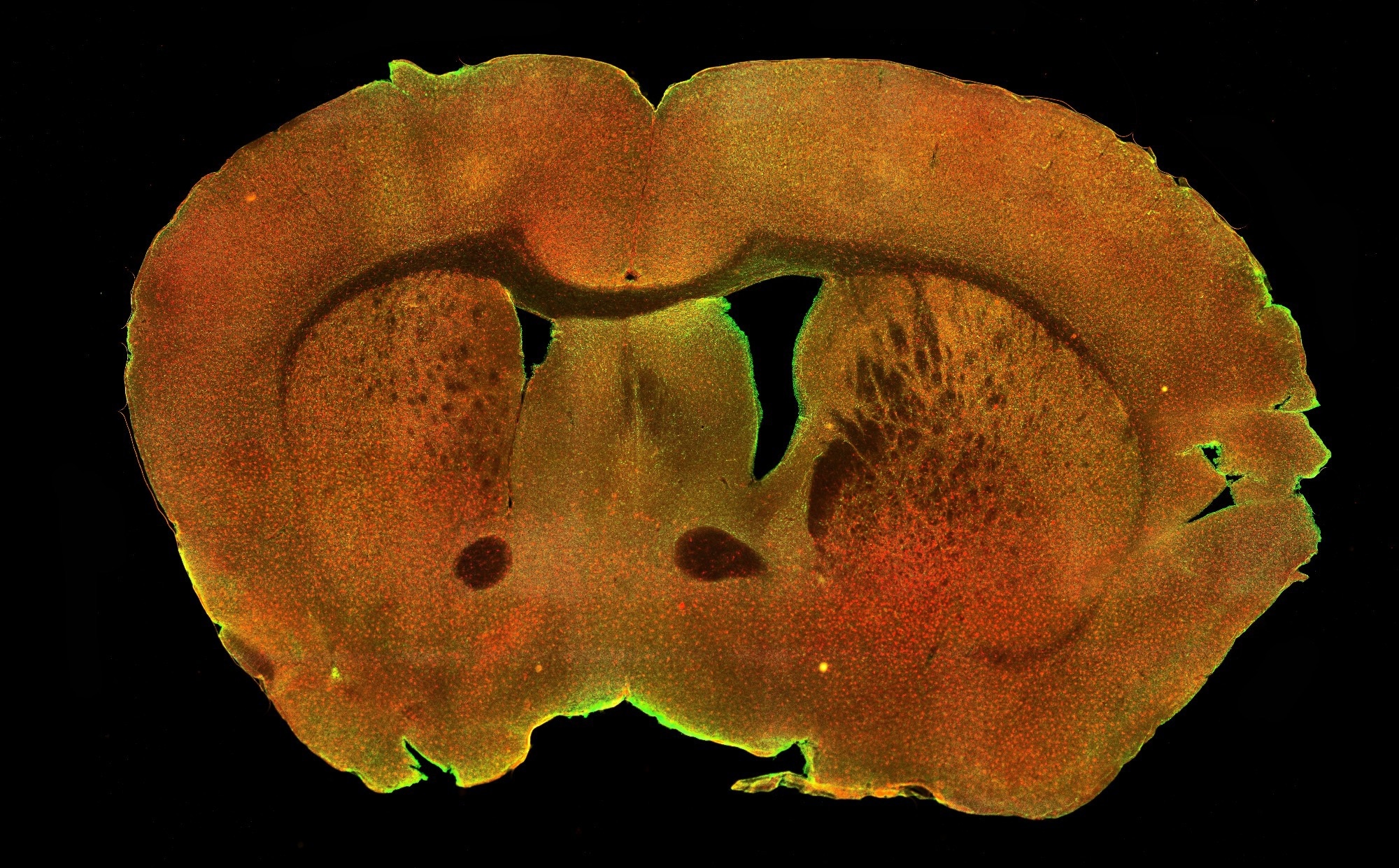 Study: Two-photon in vivo imaging reveals cell type-specific mitophagy dynamic changes in mouse somatosensory cortex during aging. Image Credit: ssi77/Shutterstock
In a recent research article published in the journal npj Aging, researchers employed advanced two-photon in vivo imaging techniques using the mt-Keima probe to reveal real-time, cell-type-specific mitophagy dynamics in the mouse somatosensory cortex during aging.
Mitochondrial Dynamics in Aging
The brain, as a highly energy-dependent organ, relies heavily on efficient mitochondrial function to maintain cellular health. Mitochondria are crucial not only for generating cellular energy but also for processes such as lipid biosynthesis, calcium regulation, ion balance, and the control of cell fate decisions.
Dysfunctional mitochondria are increasingly implicated in age-related neuronal decline and neurodegenerative disorders like Alzheimer's disease. To preserve mitochondrial quality, cells employ mitophagy, a selective autophagic process that identifies and eliminates damaged mitochondria by engulfing them in autophagosomes, which subsequently fuse with lysosomes for degradation.
While various approaches exist to assess mitophagy, including electron microscopy and genetically encoded fluorescent reporters, many studies have relied on ex vivo methods that disrupt the natural brain environment, limiting insights into mitophagy's dynamic regulation in living tissue.
Moreover, most research has centered on neurons, often neglecting other cell types such as astrocytes, which play critical roles in brain homeostasis through ion regulation, energy supply, and modulation of neural plasticity. Increasing evidence suggests that astrocytic mitochondrial health and mitophagy are also affected by aging and contribute to neurodegenerative processes.
To fill these gaps, the study applied in vivo two-photon microscopy combined with the mt-Keima probe in awake mice, enabling real-time, cell-specific tracking of mitophagy in neurons and astrocytes during aging.
Optical Assessment of Mitophagy
In this study, the authors employed a combination of genetic labeling and advanced optical imaging to investigate mitophagy in living mouse brains. Recombinant adeno-associated viruses (rAAVs) encoding the mt-Keima fluorescent mitophagy reporter were delivered into the somatosensory cortex of male mice.
Distinct promoters were used to target either neurons or astrocytes, enabling cell type-specific expression. Mice were categorized into two age groups: early-aged (2–3 months) and old-aged (18–20 months).
After a recovery period, two-photon microscopy was performed using an 800 nm excitation wavelength, optimized to excite mt-Keima in both neutral and acidic environments characteristic of mitochondria and autolysosomes, respectively.
Emissions were captured in two spectral channels split by dichroic filters to enable ratiometric analysis of mitophagy events. Time-lapse imaging was conducted on awake, behaving mice, with raw data corrected for motion artifacts via automated algorithms. Images were segmented and quantified using machine-learning-based software, enabling accurate detection of mitophagic puncta.
To complement the optical findings, brain samples underwent transmission electron microscopy (TEM) for ultrastructural analysis, focusing on mitochondrial morphology and autophagic structures in neurons and astrocytic endfeet. Additionally, older mice received nicotinamide riboside (NR) to elevate NAD+ levels, and post-treatment imaging assessed the effects on mitophagy.
Cell-Type Specific Mitophagy Patterns
The two-photon imaging setup allowed real-time visualization of mitophagy in brain neurons and astrocytes with high specificity and spatial resolution. The study confirmed decreased mitophagy in both cell types with aging, with astrocytes consistently showing higher mitophagy levels than neurons across age groups. Notably, mitophagy dynamics were relatively stable during imaging sessions, indicating that mitophagic flux does not fluctuate rapidly within the observed timescale.
The dual-excitation property of mt-Keima was harnessed through careful wavelength selection, 800 nm for two-photon excitation, allowing the researchers to exploit differential fluorescence emissions from mitochondria in neutral versus acidic compartments. The optical approach retained physiological relevance by analyzing mitophagy in awake, behaving mice, rather than in fixed tissue methods, which lose metabolic context.
Machine learning-based segmentation optimized the quantification of fluorescent signals, enabling accurate discrimination of mitophagic events against background noise and enhancing throughput. While TEM analysis provided complementary ultrastructural insight, the optical method uniquely enabled non-invasive longitudinal tracking and measurement of mitophagy dynamics in vivo.
Download the PDF of this page here
Importantly, NAD+ supplementation via NR administration in old-aged mice increased mitophagy levels as detected by two-photon imaging, demonstrating the platform’s utility for therapeutic assessment. However, TEM analyses showed subtler effects, underscoring that optical imaging can detect dynamic functional changes distinct from static ultrastructural snapshots.
Therapeutic Insights via NR
This research successfully established an advanced optical platform based on two-photon excitation microscopy and the mt-Keima biosensor to monitor mitophagy in distinct brain cell types in live mice. By optimizing excitation/emission parameters and employing sophisticated image-processing tools, the study overcame previous limitations associated with ex vivo or fixed-specimen analyses.
The ability to track mitophagy dynamics with cell type specificity in physiological conditions provides significant advantages for understanding mitochondrial quality control during aging. Furthermore, validating the effects of NAD+ precursor treatment demonstrates the approach’s potential to evaluate therapeutic strategies in brain aging.
Overall, this optical methodology promises to accelerate research into mitochondrial function and dysfunction in neurobiology with minimal invasiveness and enhanced temporal resolution.
Journal Reference
Escobar-Doncel B., Zhang X., et al. (2026). Two-photon in vivo imaging reveals cell type-specific mitophagy dynamic changes in mouse somatosensory cortex during aging. npj Aging. DOI: 10.1038/s41514-026-00414-5, https://www.nature.com/articles/s41514-026-00414-5