Resolve Optics offers a specialist service for rapid production of sensor optimised space ready optics drawing upon its extensive library of pre-existing optical designs for radiation resistant lenses.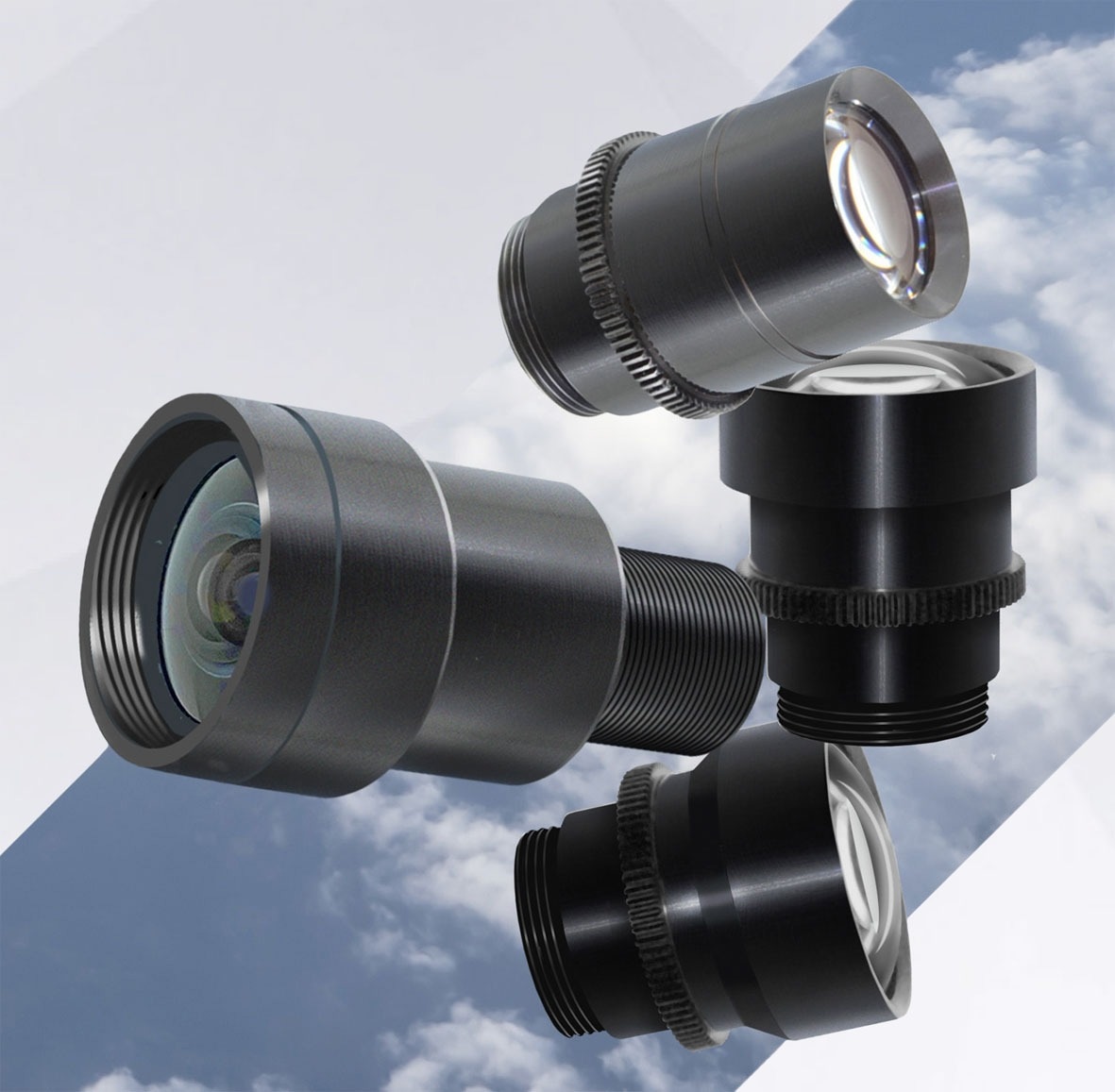
Image Credit: Resolve Optics
Redesigning optics for space requires moving past standard optomechanical design and production to survive harsh environmental factors like launch vibrations, extreme temperature swings, vacuum outgassing, and cosmic radiation.
Rob Watkinson, Sales Director of Resolve Optics commented “Designing and producing optics for use in space is a highly specialised area where expertise and experience are critical. We have been supplying lenses and optical systems for space applications for over 15 years. During this period, our talented team of designers and engineers has acquired a considerable amount of knowledge regarding the core environmental challenges and solutions”.
A key consideration when producing a space ready lens is to ensure it will withstand the vibration and shock of launch. All optical elements, and moving parts must be rigidly clamped or locked so they cannot shift or break loose.
Shifting from direct sunlight to Earth's shadow creates extreme temperature fluctuations causing components to expand and contract. Space ready optical systems designed by Resolve Optics are passively athermalized to ensure that as the materials move, the lens stays in focus.
Another consideration when designing spaceborne optical systems is the high vacuum environment. Resolve Optics engineers are highly experienced in only using low-outgassing aerospace materials and vacuum-compatible coatings.
In space - high-energy cosmic rays, protons, and solar ultraviolet radiation turn standard optical glass yellow, brown, or opaque over weeks or months. All optical elements within Resolve Optics space optical designs are made using cerium oxide doped glass or synthetic silica enabling them to withstand radiation doses of up to 100,000,000 rad and temperatures greater than 100°C without discoloration or degradation of performance. To prevent this, space ready optics from Resolve Optics use only cerium-doped non-browning glasses or reflective mirror architectures.
For further information on sensor optimised space ready optics please visit:
https://www.resolveoptics.com/2026/05/flight-ready-camera-lens-for-satellite-missions/