 Interview conducted by Louis CastelJan 13 2026
AZoOptics spoke to Laurynas Maciulis, Co-founder and CEO of Astrolight, about the rapid shift from radio frequency to laser communications and what it means for commercial, civil, and defence space networks. Maciulis shares insights on the practical advantages of lasercom, the strategic importance of optical ground stations in Greenland, and how compact, end-to-end optical systems are accelerating adoption across space-to-ground and inter-satellite links.
Could you please introduce yourself and Astrolight?
I’m an engineer, a co-founder, and the CEO of Astrolight. We started Astrolight in 2019 with co-founders who come from some of Europe’s leading laser technology companies. Before this, I co-founded and was a CTO at NanoAvionics, now part of Kongsberg. What we build at Astrolight is end-to-end optical connectivity solutions: laser communication terminals, optical ground stations, and supporting infrastructure for space-to-ground, space-to-space, ship-to-ship, and ground-based laser links.
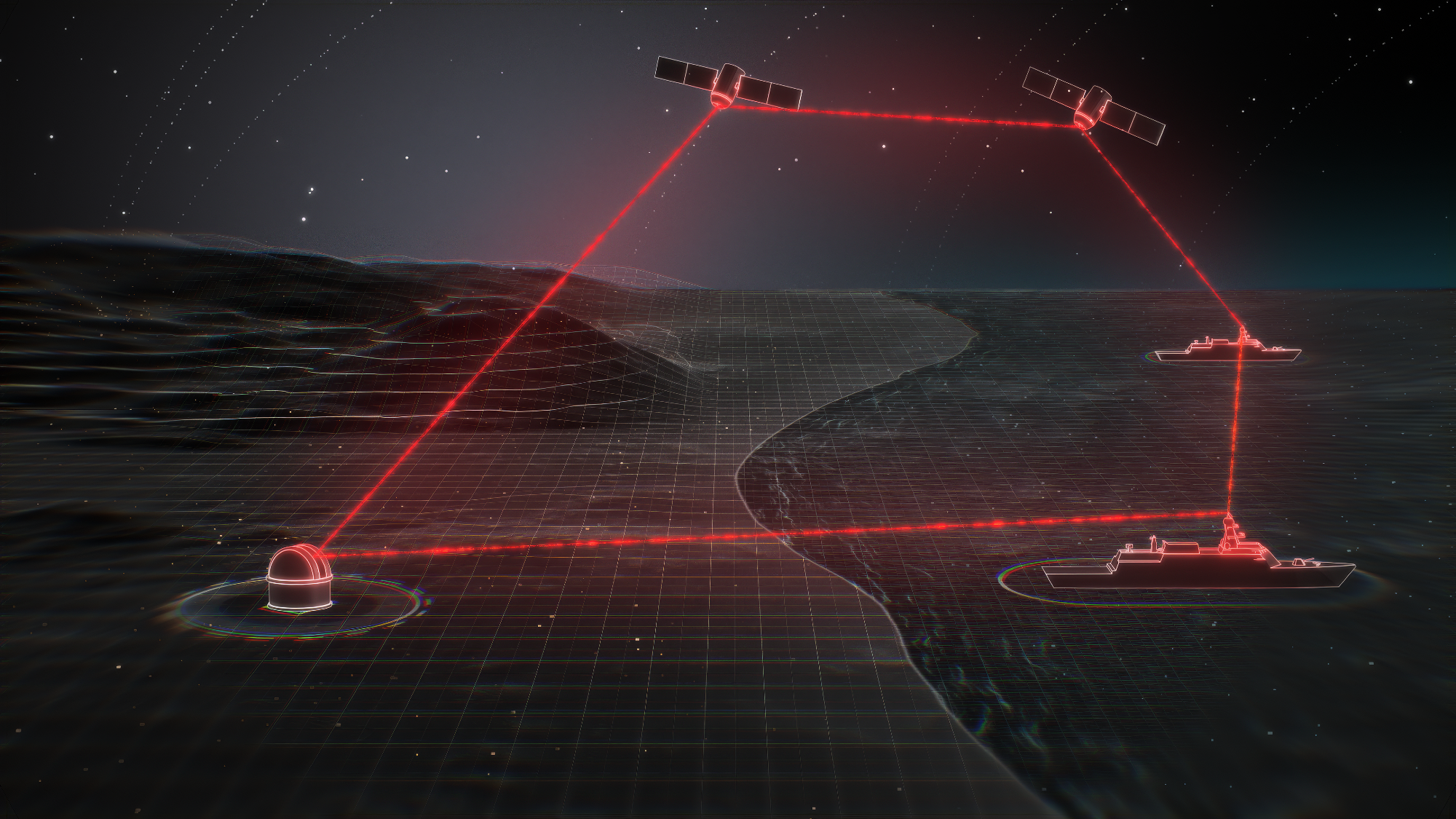
Image Credit: Astrolight
How does laser communication differ from radio frequency, and where are the biggest practical gains?
Laser communication solves many practical problems that come with the use of radio frequency.
First, it sidesteps the crowded radio frequency spectrum and the need for licensing.
Second, laser communication can move a lot more data, typically orders of magnitude more. It uses extremely narrow and directional laser beams at much higher optical frequency carriers than radio frequencies.
And third, by nature, laser communication is almost impossible to interfere with using conventional electronic-warfare methods, compared to radio frequency, which is very vulnerable to jamming and spoofing.
Download the PDF of this interview
What makes Greenland strategically valuable for Low Earth Orbit (LEO) pass geometry and space-weather resilience?
Greenland is strategically valuable for LEO pass geometry because its proximity to the North Pole allows frequent satellite passes for polar-orbiting satellites that provide global coverage. And Greenland's location near the magnetic pole makes it ideal for monitoring space weather phenomena.
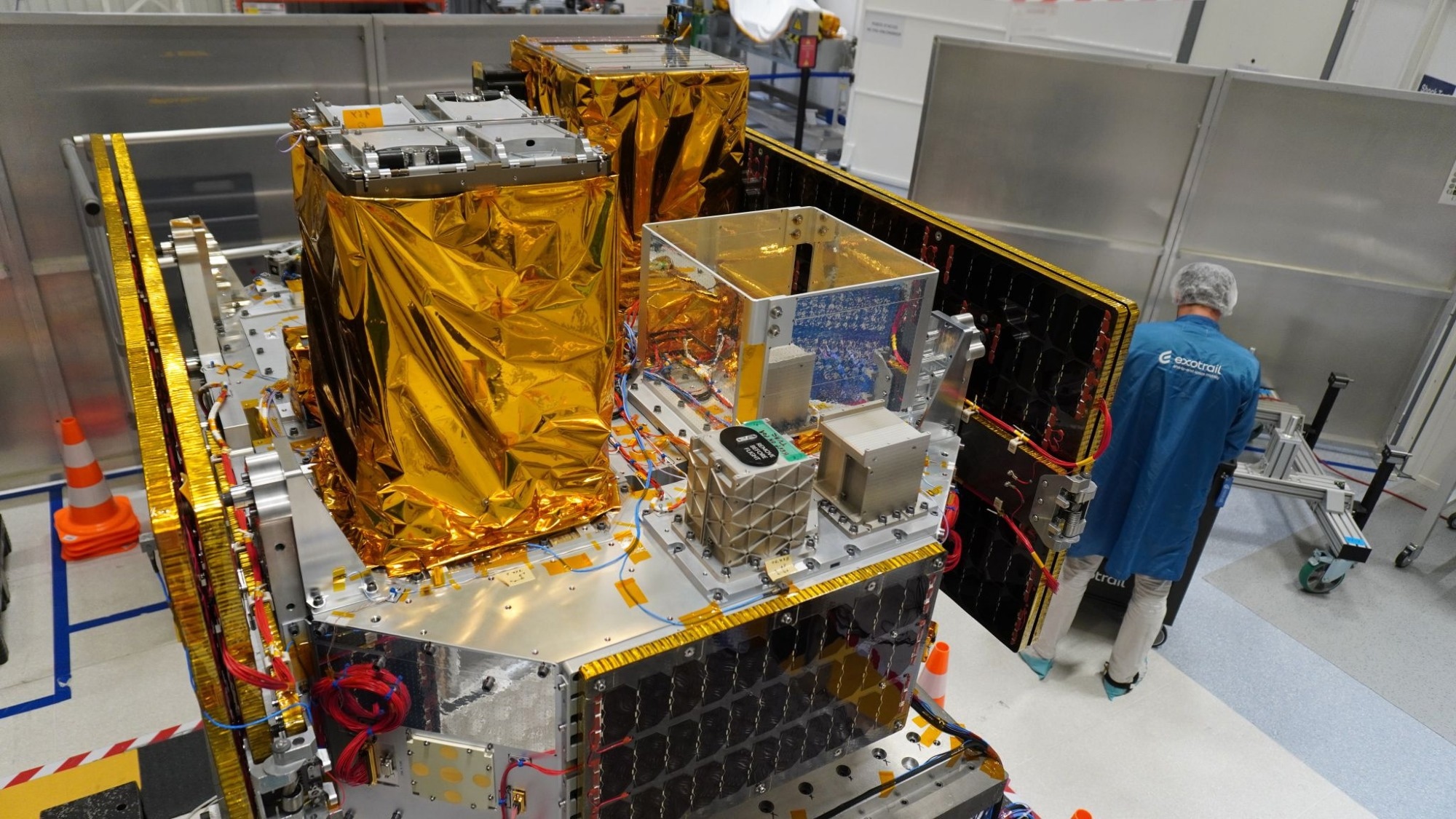
Astrolight's ATLAS (in front) at the Airbus Defence and Space facilities in Toulouse. Image Credit: Astrolight
Looking ahead, how does lasercom scale into mainstream commercial and defense networks?
As to the commercial field, we’re already seeing lasercom move from experimentation and testing to deployment. Players like SpaceX are actively using it, and we expect more constellations to follow as demand for bandwidth keeps rising.
For civil applications, one of the biggest near-term wins is faster data return from Earth observation, especially for time-critical use cases like disaster response. That’s exactly what our newest project supports.
We recently signed a contract with the European Space Agency to build the first optical ground station in Greenland. The goal is to improve how quickly satellite data gets down to Earth for things like disaster detection and response, geointelligence.
When it comes to defense, lasercom is already becoming part of a secure communication backbone that will keep critical services in place even if radio-frequency links are degraded. For example, this September, the U.S. Space Development Agency launched its first batch of satellites to form a military network, and the constellation relies on laser communications.
As threats like jamming, spoofing, and surveillance increase, laser-based connectivity becomes more strategically important, because it adds capacity and resilience where radio frequency is most vulnerable.
Where does Astrolight focus its roadmap to accelerate adoption?
Operators need end-to-end solutions that are affordable and easy to deploy. That’s why we’re building multiple technologies in parallel (optical ground stations and laser terminals for space-to-ground and inter-satellite links) to give operators a reliable, end-to-end communications system across all domains: space, land, air, and sea.
And our solutions are much smaller than many other optical communication systems on the market. That helps bring costs down without sacrificing data throughput, and it makes the system faster and easier to assemble and deploy. This compact design is possible because of the advanced technology we use in the system.
Want more Space Tech? Head over to AZoQuantum
About the Speaker

Laurynas Maciulis is a space entrepreneur and engineer with over 12 years of experience in the aerospace industry. He started his career in space from a research internship at NASA AMES in 2012 after which he took a role as the lead engineer of the first Lithuanian satellite mission “LituanicaSAT-1”. He was a lead systems engineer of the follow up green monopropellant demonstration CubeSat mission called “LituanicaSAT-2”. In 2014 he co-founded Nano Avionics – the first space start-up company in Lithuania where he took the role of CTO for three years and was responsible for product and technology development. In 2022 Nano Avionics was sold to Kongsberg Group for 67M$. Laurynas acquired his PhD degree in mechanical engineering for his work on thermal design optimization of small satellites from VilniusTECH university in 2021.
Disclaimer: The views expressed here are those of the interviewee and do not necessarily represent the views of AZoM.com Limited (T/A) AZoNetwork, the owner and operator of this website. This disclaimer forms part of the Terms and Conditions of use of this website.