Transmitted wavefront error (TWE) is a method used to evaluate the performance of optical elements as light passes through them.
Unlike surface-form measurements, transmitted wavefront measurements include errors from the front and back surfaces, wedge, and homogeneity of the material. This comprehensive metric provides a clearer understanding of how an optic will perform in real-world conditions.
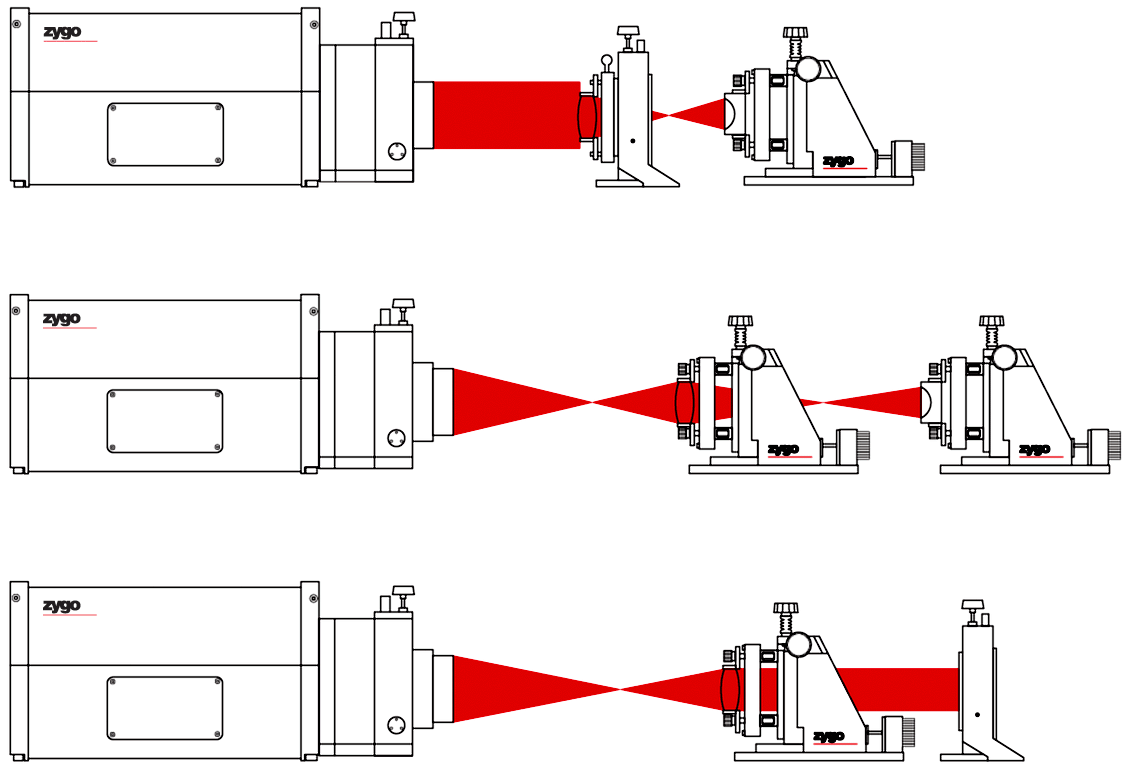
Image Credit: Zygo Corporation
Although many optical components undergo individual surface-form or TWE specification testing, they are ultimately integrated into more complex optical assemblies with their own performance requirements.
In some applications, relying on component measurements and tolerancing is sufficient to predict final performance. However, for more demanding applications, measuring the assembly as built is essential.
TWE measurements verify that an optical system has been constructed to specification and will operate as intended. They are often also used for active system alignment, shortening assembly time while ensuring system performance matches expectations.
Real-Time Optical Alignment of Optical Systems
ZYGO’s patented DynaPhase® data acquisition technology (available on all current-model ZYGO interferometers) enables instantaneous optical alignment and temporal change measurements of an optical system, all with industry-leading precision.
The following video briefly demonstrates the technology.
Real-time Interferometric Measurement of Optical System Alignment
Video Credit: Zygo Corporation
Transmitted Wavefront Error measurements are straightforward and reliable with ZYGO interferometers.

This information has been sourced, reviewed, and adapted from materials provided by Zygo Corporation.
For more information on this source, please visit Zygo Corporation.