Sponsored by MKS OphirReviewed by Olivia FrostAug 4 2026
Areas such as high-energy physics, semiconductor fabrication, and space missions require laser power and energy measurements in high vacuum. Knowledge of materials and their properties in vacuum is required to design a suitable laser power or energy sensor for high-vacuum settings.

Image Credit: Bolbik/Shutterstock.com
It is also necessary to evaluate the outgas rate during pump-down and laser operation, meaning that appropriate equipment for testing the sensor in vacuum and under laser radiation is also required.
Challenges in Designing Laser Power and Energy Sensors for High Vacuum
A number of challenges must be considered and managed when designing laser power and energy sensors for high vacuum.
- Outgassing: It is important that the sensor offers a low outgassing rate compatible with high-vacuum systems. The sensor’s outgassing rate may also increase during measurement due to heating from the absorbed laser radiation.
- Signal Transmission: The sensor signal must be connected to a PC interface or meter via a feedthrough.
- Heat Dissipation: It is important that heat management be properly designed and implemented, but forced air cooling is not possible in a vacuum. Heat must be dissipated either via conduction through the vacuum system’s walls, or closed-circuit cooling (cold finger).
- Calibration: Heat dissipation to the ambient environment is the main cause of difference between calibration in air and in vacuum for thermopile sensors. This dissipation is present in air but absent in vacuum, leading to a potential discrepancy.
Photodiodes are less sensitive to ambient conditions and comparatively straightforward. These sensors have a small surface area and are used to measure low power, meaning they do not generate much heat during routine operation. Photodiodes are available in ceramic or TO-can packages that typically have low outgas rates.
In contrast, thermopile and pyroelectric sensors feature larger surface areas and may heat up when measuring high power or energy. Figure 1 shows a custom vacuum system implemented to qualify sensors for vacuum conditions.
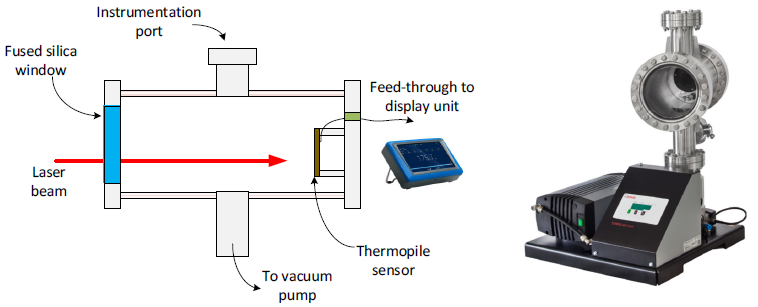
Figure 1. Vacuum system image and schematic. Image Credit: MKS Ophir
Two example tests were performed with this system. The first was a measurement of the outgassing rate of an aluminum thermopile sensor disk featuring a ceramic absorber coating (Ophir BB) (Figure 2).
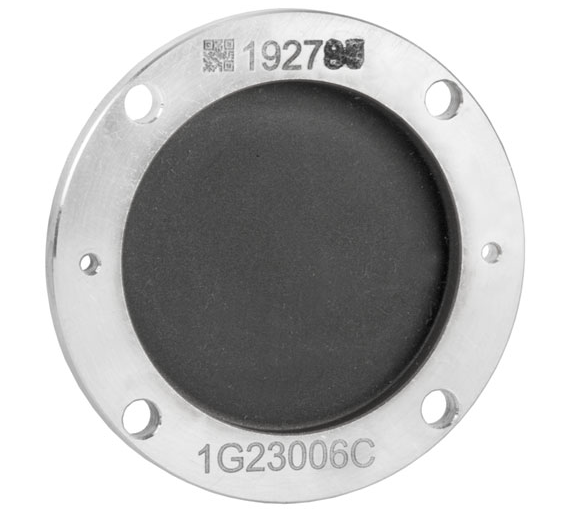
Figure 2. Thermopile absorber disk. Image Credit: MKS Ophir
The baseline pressure was measured initially (Figure 3, orange line). Ten sensor disks (Figure 3, blue line) were placed in the vacuum chamber to amplify the effect of the thermopile sensors and ensure it is more pronounced relative to the baseline.
This experiment yielded an upper limit of 2.25 × 10⁻⁷ mbar/liter/second for the outgassing rate of a single thermopile sensor.
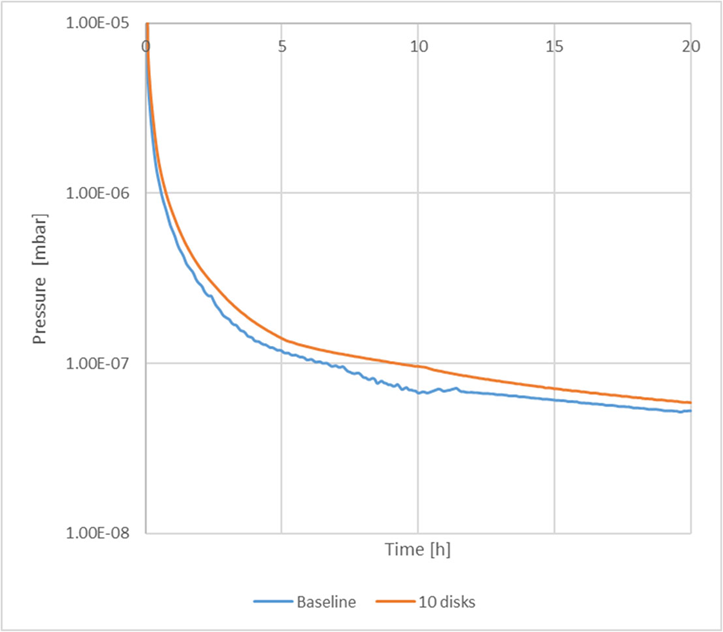
Figure 3. Thermopile sensor outgassing measurement experiment. Image Credit: MKS Ophir
The second experiment measured the impact of a high-energy laser pulse on the pressure inside the vacuum chamber. This was performed by mounting a copper (Cu) thermopile sensor disk with a ceramic absorber coating (Ophir LP2) inside the vacuum chamber and irradiating this with a 1 kJ laser pulse (1 kW, one second) at 1070 nm.
The sensor disk was deliberately thermally isolated to simulate poor heat-sinking conditions. This experiment saw the system pumped down to a pressure of 10-6 mbar.
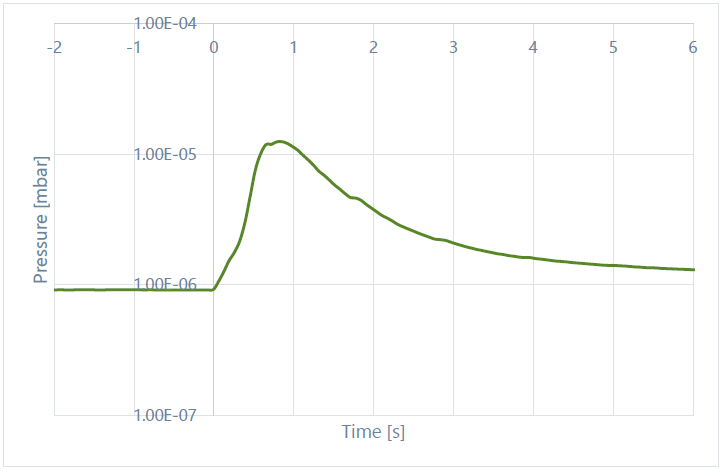
Figure 4. Pressure in the vacuum chamber. Image Credit: MKS Ophir
The pressure increases during the one-second laser pulse (Figure 4) due to a rise in the outgassing rate induced by heating the absorber surface.
The rapid pressure drop following the pulse shows that the outgassing rate has reduced and that the released gas was quickly removed by the vacuum pump rather than being absorbed by the chamber walls. Use of an appropriate absorber coating and heat-sinking solution can help to further reduce the outgassing.
Conclusion
This article and its associated examples have demonstrated some key aspects and challenges related to designing laser power and energy sensor measurement systems for high-vacuum operation.
Acknowledgments
Produced from materials originally authored by Dr. Efi Rotem from Ophir Photonics Group.

This information has been sourced, reviewed, and adapted from materials provided by MKS Ophir.
For more information on this source, please visit MKS Ophir.