Optical Surfaces’ proprietary smoothing techniques have largely eliminated microcrack damage from the off-axis parabolic mirrors the company produces for high-power laser applications. Thanks to these techniques, the mirrors’ operational lifetimes and achievable performance are enhanced.
When producing optical elements, machining processes such as grinding can introduce surface microcracks in the glass. These minute defects can reduce intrinsic strength by creating stress-concentration points.
They can also increase stray light and compromise the element's structural strength and lifetime functionality. All this reduces the achievable focusing resolution of parabolic mirrors used in high-power laser applications.
Off-axis parabolic mirrors, such as those developed by Optical Surfaces, provide an unobstructed aperture and access to the focal plane. Plus, they are particularly suitable for broadband or multiple-wavelength laser applications because of their achromatic performance.
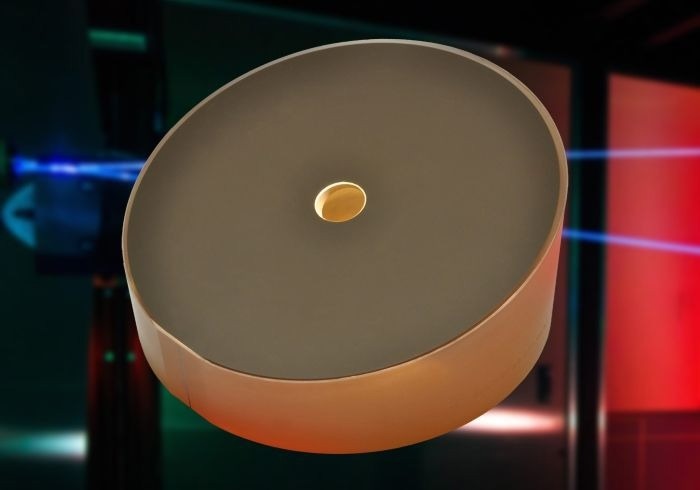
Off-axis parabolic mirrors for high-power laser applications. Image Credit: Optical Surfaces Ltd.
Many optical and system designers favor off-axis parabolic mirrors as they are often cost-effective without demanding compromises in performance. They are considered an ideal solution to many high-power laser applications.
Optical Surfaces’ mirrors boast surface accuracy, surface microroughness, and surface slope errors at the limit of what is currently possible. They are engineered in the company’s ISO 9001:2015-approved manufacturing workshops and test facilities, located in a network of underground tunnels built within a chalk cliff.
These unique conditions mean Optical Surface’s facilities are undisturbed by temperature changes and vibrations, with such stable conditions allowing quantifiable and reliable testing, even for applications involving long path lengths.
Optical Surfaces has been producing high-precision optical components and systems for over 60 years. Dr Aris Kouris of Optical Surfaces said, “Few companies in the world can produce off-axis parabolic mirrors of sufficient quality to enable petawatt and zettawatt lasers to focus their massive energy down onto targets only a few microns in size.”
Our ability to routinely produce ultra smooth parabolic mirrors not only helps research groups advance the boundaries of what is experimentally possible, but also extends the mirrors’ operational lifetime.
Dr. Aris Kouris, Optical Surfaces Ltd.

This information has been sourced, reviewed, and adapted from materials provided by Optical Surfaces Ltd.
For more information on this source, please visit Optical Surfaces Ltd.